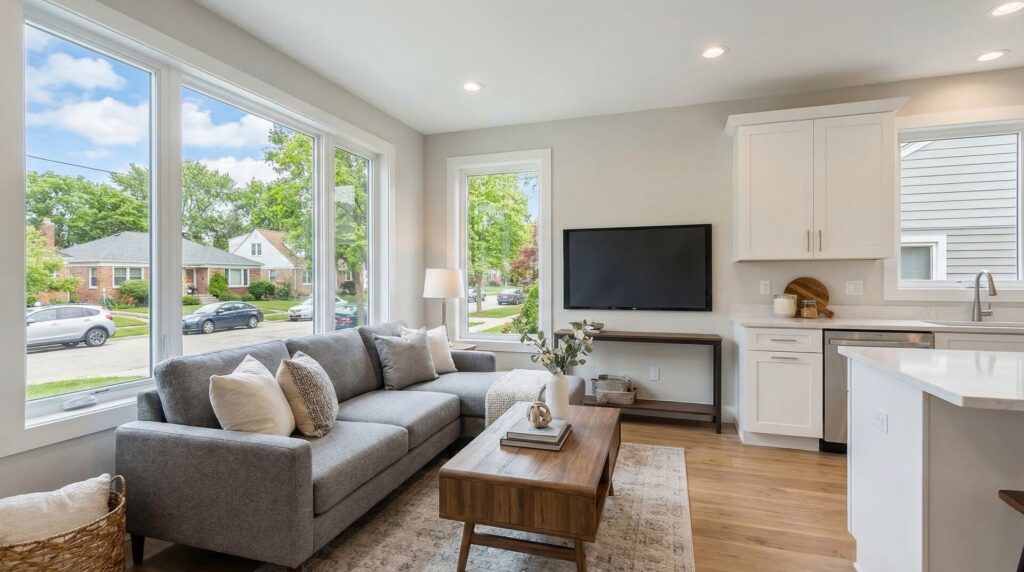
Two Rental Approaches, Different Returns
Once your DADU is built, you have a choice: lease it to a long-term tenant or list it as a short-term rental on platforms like Airbnb or VRBO. Each approach has distinct income potential, management requirements, and regulatory considerations in King County. The right choice depends on your income goals, available time, and risk tolerance.
Long-Term Rental (12+ Month Leases)
Income
- Monthly rent: $1,500–$3,500 depending on size and location
- Annual gross: $18,000–$42,000
- Vacancy rate: 3–5% typical for well-located King County DADUs
- Net income (after expenses): $15,000–$35,000/year
Advantages
- Predictable income: Same rent every month for the lease term
- Low management: Once placed, a good tenant requires minimal attention
- Lower wear and tear: One tenant treats the space as their home
- Simpler regulations: No short-term rental licenses or hotel taxes
- Longer-term relationship: Build rapport with your neighbor-tenant
Disadvantages
- Lower peak income: Long-term rents are typically 20–40% less than optimized short-term
- Tenant risk: A bad tenant can be difficult and expensive to remove
- Less flexibility: You can’t use the space yourself during the lease term
Short-Term Rental (Nightly/Weekly)
Income
- Nightly rate: $120–$250 depending on location, size, and season
- Average occupancy: 60–80% in popular King County areas
- Annual gross: $26,000–$73,000 (at 70% occupancy)
- Net income (after platform fees, cleaning, management): $18,000–$50,000/year
Advantages
- Higher income potential: Can significantly exceed long-term rental income
- Flexibility: Block dates for personal use, family visits, or maintenance
- Dynamic pricing: Raise rates during peak seasons and events
- Tax benefits: May qualify for different tax treatment than long-term rental
Disadvantages
- More management: Guest communication, cleaning, restocking, reviews
- Higher costs: Cleaning ($75–$150/turnover), platform fees (3–15%), furnishing ($5,000–$15,000 upfront)
- Regulatory complexity: Licenses, taxes, and compliance requirements
- Seasonal variation: Income fluctuates with seasons and market conditions
- Neighbor impact: Rotating guests may concern neighbors
King County Short-Term Rental Regulations
Regulations vary by jurisdiction:
- Seattle: Requires short-term rental operator license, platform registration, and hotel tax collection
- Bellevue, Kirkland, Redmond: Each has specific regulations — check current city rules before listing
- Unincorporated King County: May have different requirements than incorporated cities
Always verify current regulations with your local jurisdiction before starting short-term rentals.
Hybrid Strategy
Some DADU owners use a hybrid approach:
- Long-term rental during the school year (September–May)
- Short-term rental during peak summer months (June–August)
- Or: primarily long-term with short-term during lease transitions
This requires a furnished unit and more management effort but can optimize total annual income.
Which Strategy Fits You?
- Choose long-term if: You want hands-off income, prefer a stable neighbor-tenant, and don’t want to furnish the unit
- Choose short-term if: You want maximum income, can manage the hospitality work (or hire a manager), and are in a tourist-friendly location
- Choose hybrid if: You want the best of both worlds and can handle the transitions
For detailed income projections, see our rental income guide and ROI analysis.
APEX DADU Builds for Rental Success
We design DADUs with rental performance in mind — whether long-term or short-term. APEX DADU includes the features tenants and guests want most: in-unit laundry, good storage, quality finishes, and outdoor living space.
Contact APEX DADU to discuss your rental strategy

Leave a Reply